1. There are three main types of asbestos
Asbestos can refer to six individual mineral types, with the most common being:
- White asbestos (Chrysotile)
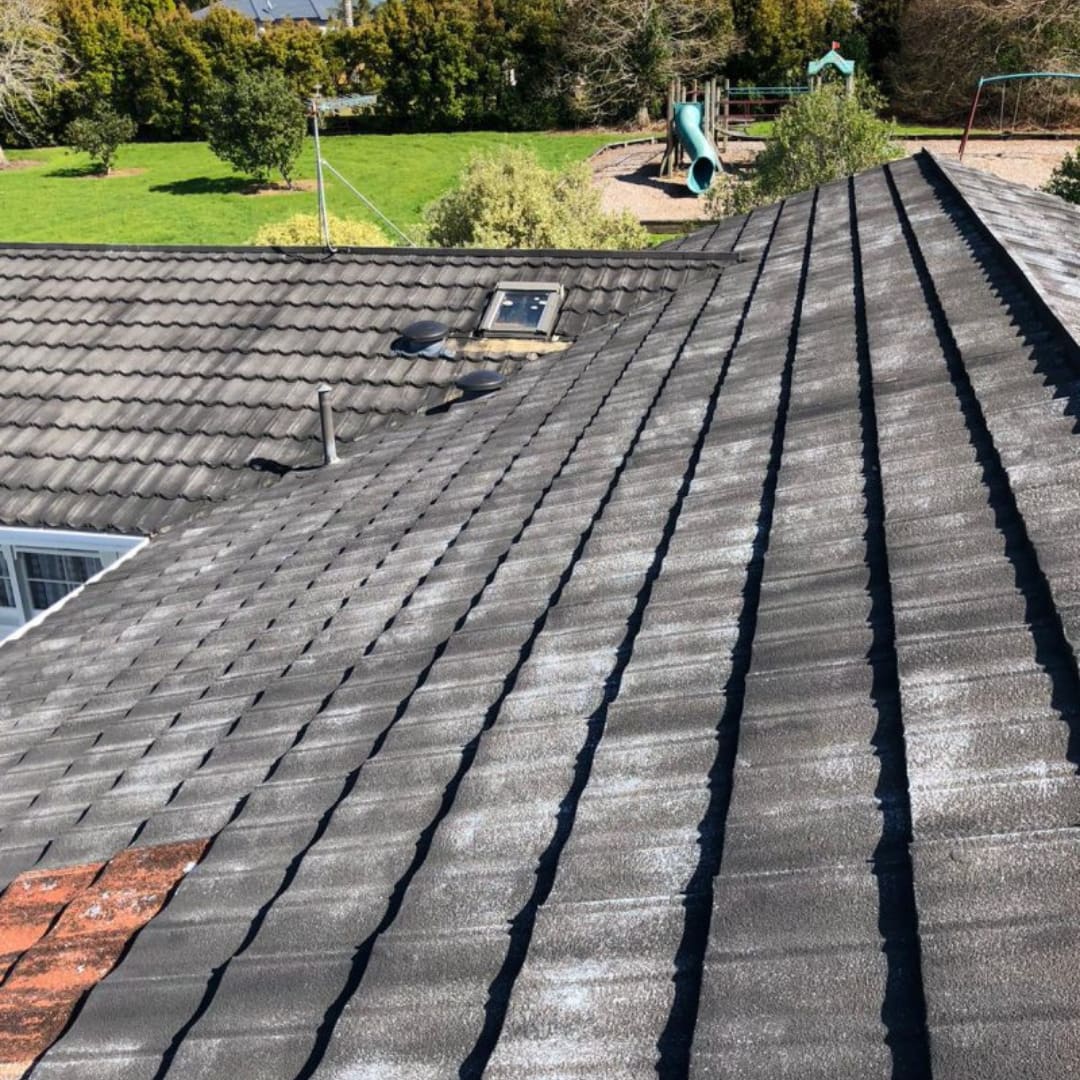
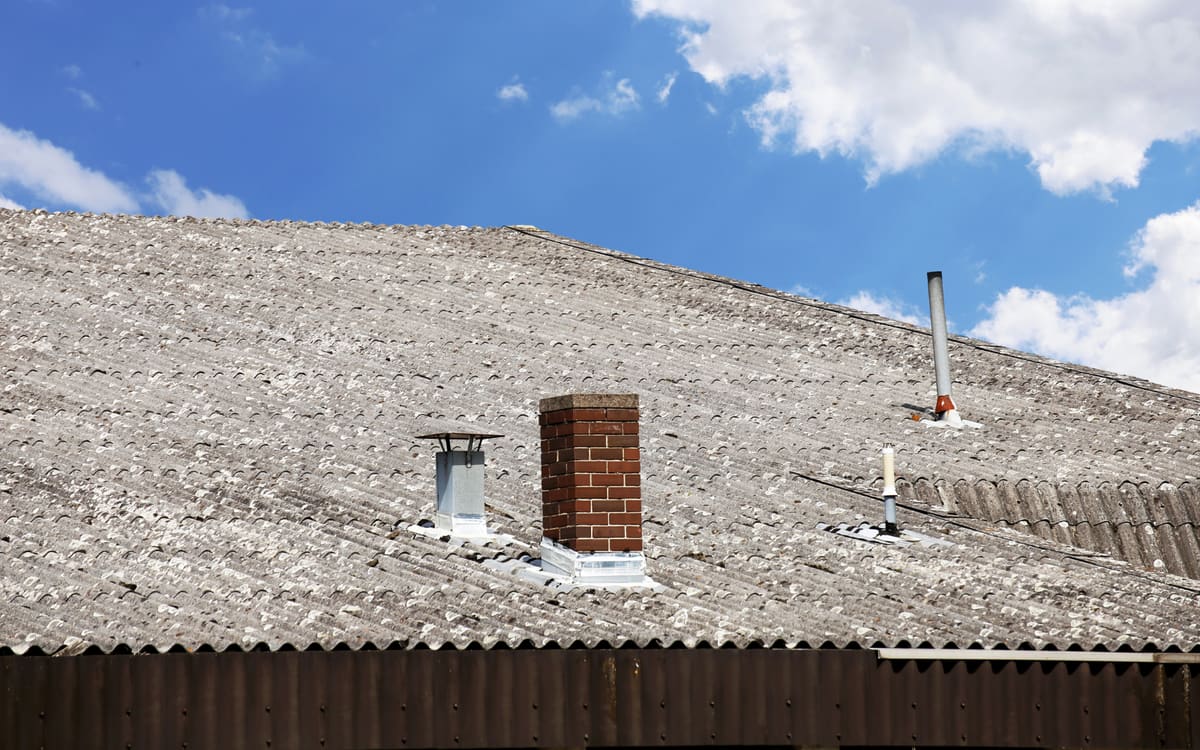
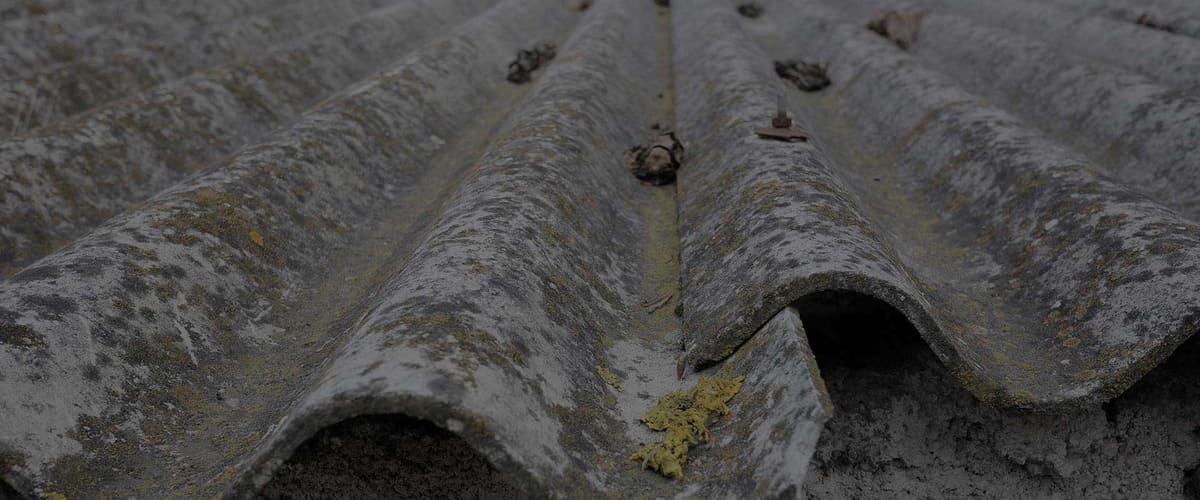
Most common in Kiwi homes (roofs, ceilings, walls, floors, plumbing, boilers)
- Brown Asbestos (Amosite)
Found in pipe insulation, cement sheets, ceiling tiles, insulation materials)
- Blue Asbestos (Crocidolite)
Uncommon in NZ (insulating steam engines, spray-on coatings, pipe insulation, cement products)
The other types include Actinolite, Tremolite, Anthophyllite.
2. There are four different asbestos-related medical conditions
- Mesothelioma
- Asbestos-induced lung cancer
- Asbestosis
- Non-malignant pleural disease
According to the World Health Organisation there are around 43,000 deaths from mesothelioma around the world every year. In the UK there were 2,538 mesothelioma deaths in 2013 and 477 deaths from asbestosis.
3. Asbestos-related medical conditions often go unnoticed for decades
It can take decades, often between 20 and 50 years, for symptoms of asbestos-related health problems to appear. By this point, the person may have sustained a lot of internal damage.
4. There is no safe level of asbestos exposure
While you are more likely to experience illness or develop health issues with regular exposure to high concentrations of asbestos, many government agencies say there is no safe level of asbestos exposure. Health problems can develop many years after breathing in asbestos.
5. The health dangers of asbestos were known for decades
The first death attributed to asbestos was in 1906 (although the first published death was of a textile worker in 1924), while numerous investigations between 1900 and 1910 proved asbestos to be harmful. In 1902 Britain’s Inspector of Factories, Dame Adelaide Anderson, officially classified asbestos as a dangerous substance. However, due to the size and power of the industry, and the poor social status of many of the workers, no action was taken for decades, resulting in countless unnecessary deaths to this day.
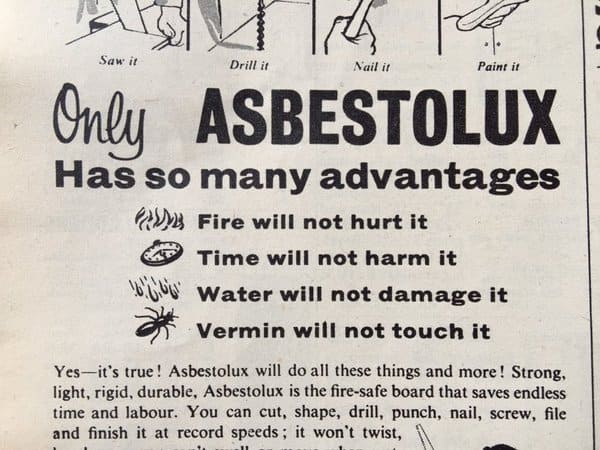
6. Asbestos was in toothpaste, cigarettes and fake snow
From the 1930s to 50s asbestos use was so widespread that it could be found in everything from cigarette filter papers to toothpaste – apparently for the abrasive qualities of asbestos fibres. Raw chrysolite asbestos was also sold commonly as fake snow and can be seen falling on Dorothy, Scarecrow and Lion in The Wizard of Oz.
7. Asbestos is still mined today
Despite the known dangers and bans in many countries, asbestos is still mined in Russia, China, Brazil, Kazakhstan, and until 2011 even Canada was mining it! It is used for industrial and commercial purposes and can inevitably make its way into countries where asbestos is banned completely.
For more information about the history of asbestos, types of asbestos, it’s uses, dangers, laws, and other useful resources, see our Asbestos Guide here.
Professional Asbestos Inspection, Testing, Removal, and Replacement
If you’re worried about the presence of Asbestos in your property, or you know you have to get rid of it, JP Franklin is your local one-stop-shop for Asbestos. We specialise in:
- Asbestos inspection
- Asbestos testing
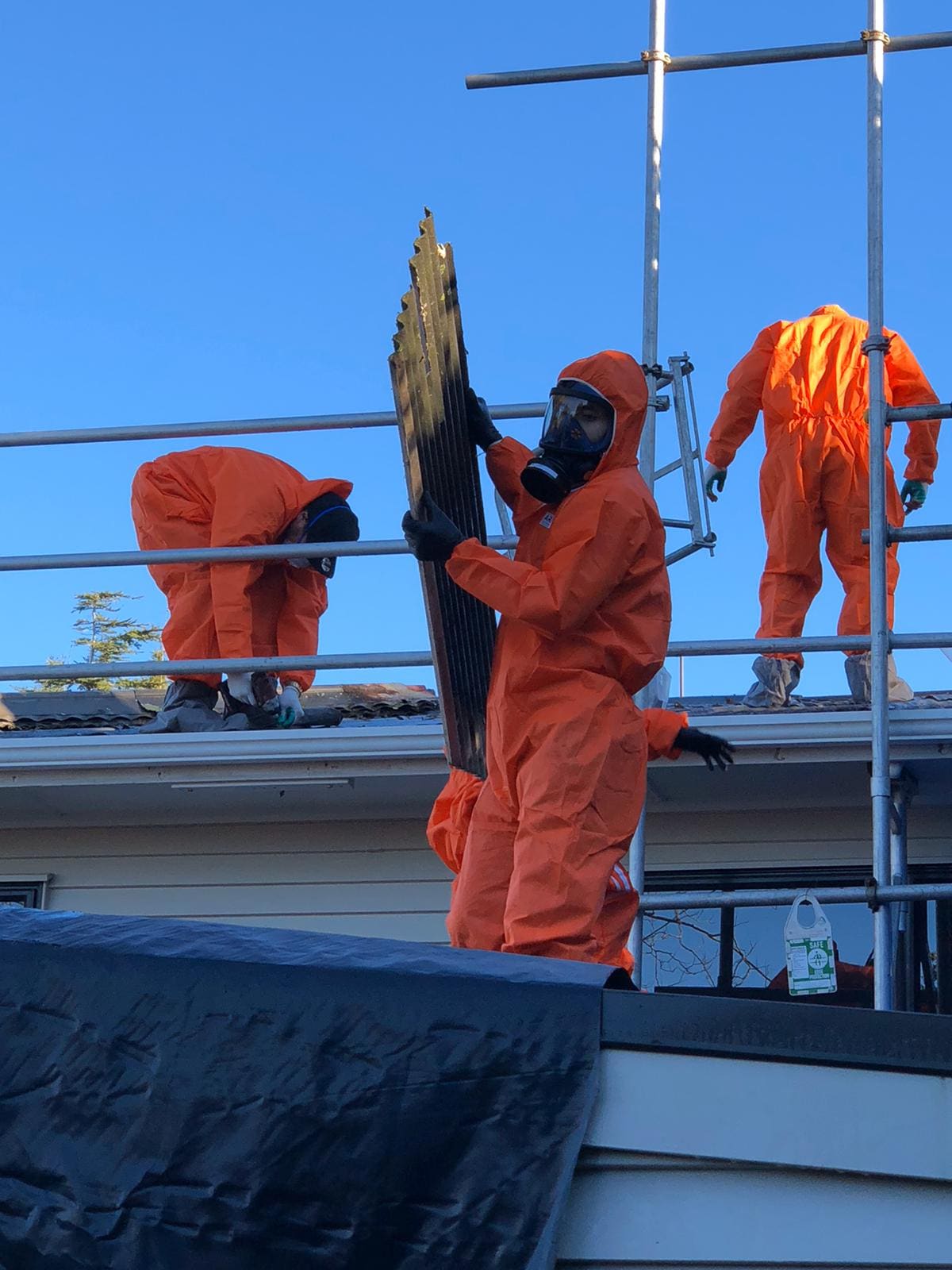
- Asbestos removal from roofs, ceilings, walls, cladding, interiors
- Full asbestos replacements
- Safe and thorough cleaning and disposal
Contact us at JP Franklin Asbestos on 09 522 8658 or complete the form below for professional advice and/or a competitive quote for all your Asbestos issues.