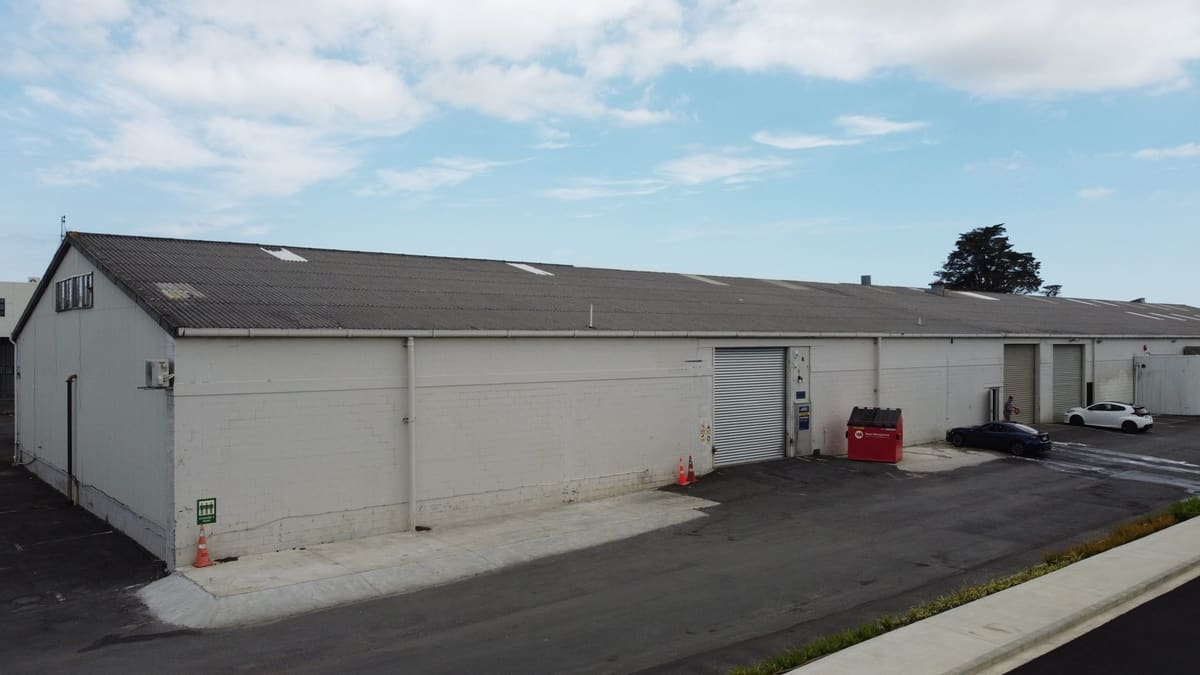
Asbestos has been banned in New Zealand for 35 years, but we’re still impacted by it. Many Kiwis don’t know what material was used to build their homes or businesses. Also, asbestos is relatively harmless when undisturbed so many people don’t notice or report it. An area where asbestos frequently lurks is in building cladding, which is the thin covering placed on a building’s surface to provide decoration, protection and insulation. As people are more likely to pay attention to their actual structure and not the cladding, asbestos cladding removal is a service that many Auckland homes and businesses could use. Here’s how to tell if it could be present in your home.
1. Was Construction Completed Before The 1990s?
After its 1984 ban, people couldn’t use asbestos going forward, but there was no national drive to demolish homes already built that were containing asbestos. If you haven’t made changes to your house since then, you could be at risk.
2. Is The Following Visible?
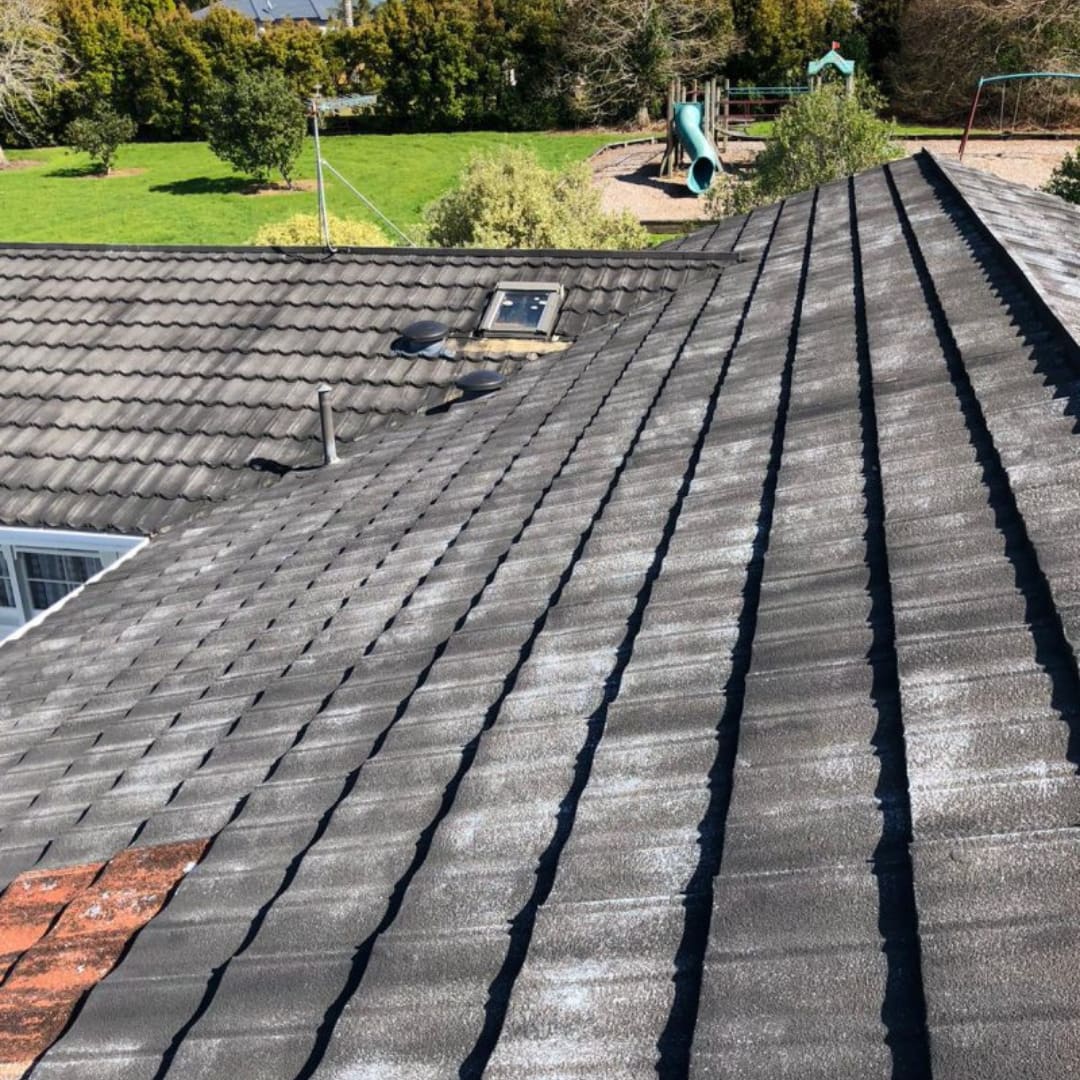
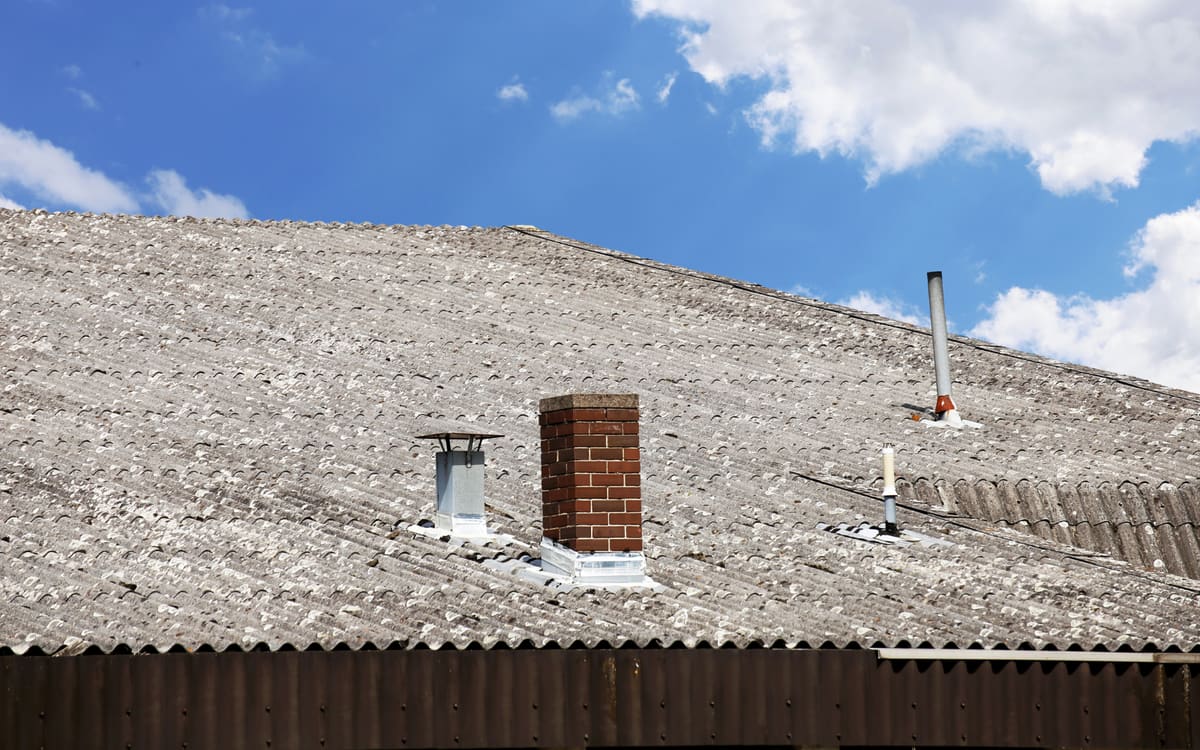
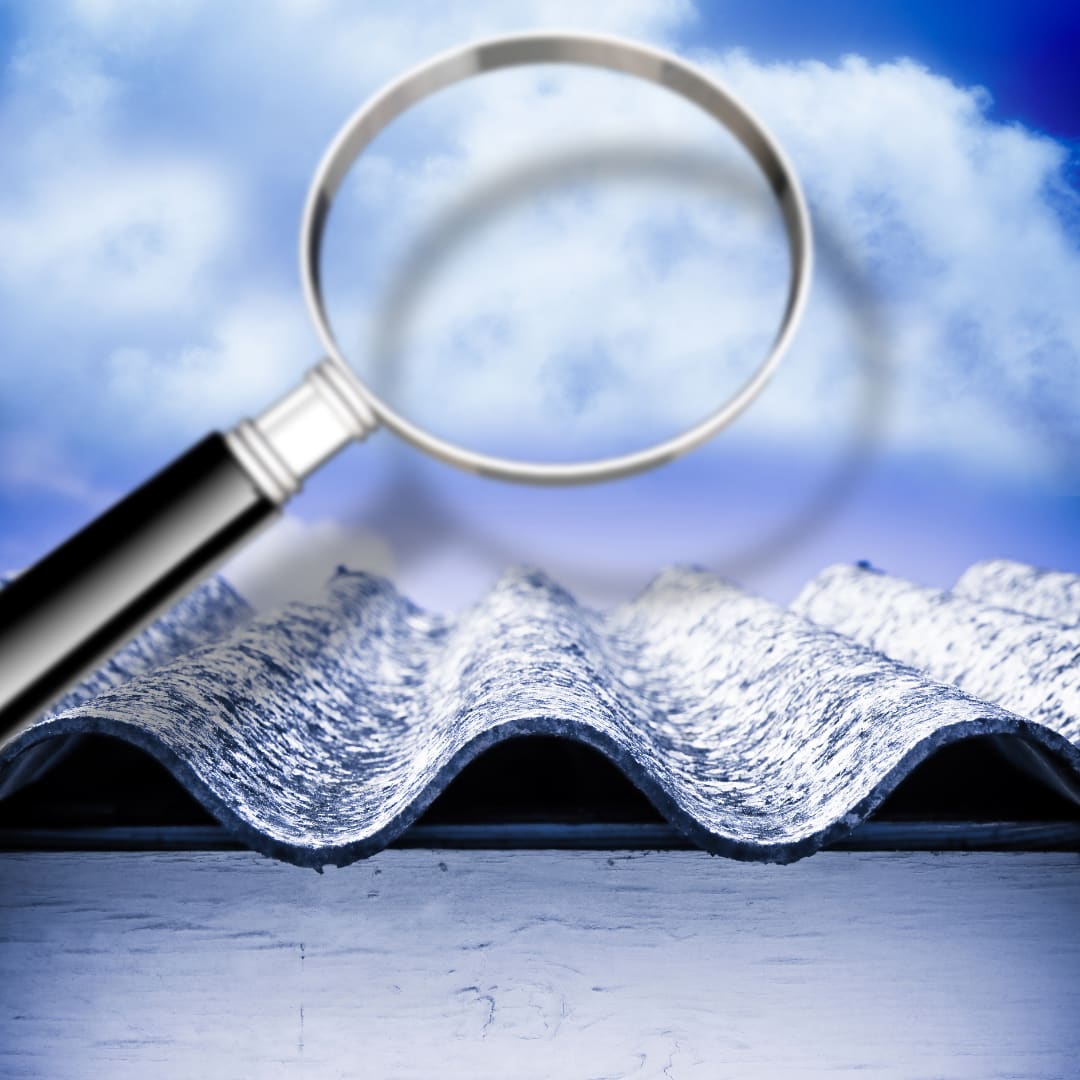
A home with compromised cladding will have aluminium or wooden battens or aluminium joiners to cover the areas where the cladding sheet joins. You might also see its fibres clumping together on the surface or a dimpled appearance. If you have false brick cladding, there’s a good chance it has asbestos backing sheets.
3. You’re About To Undertake A Construction Or Remodelling Project On The Property
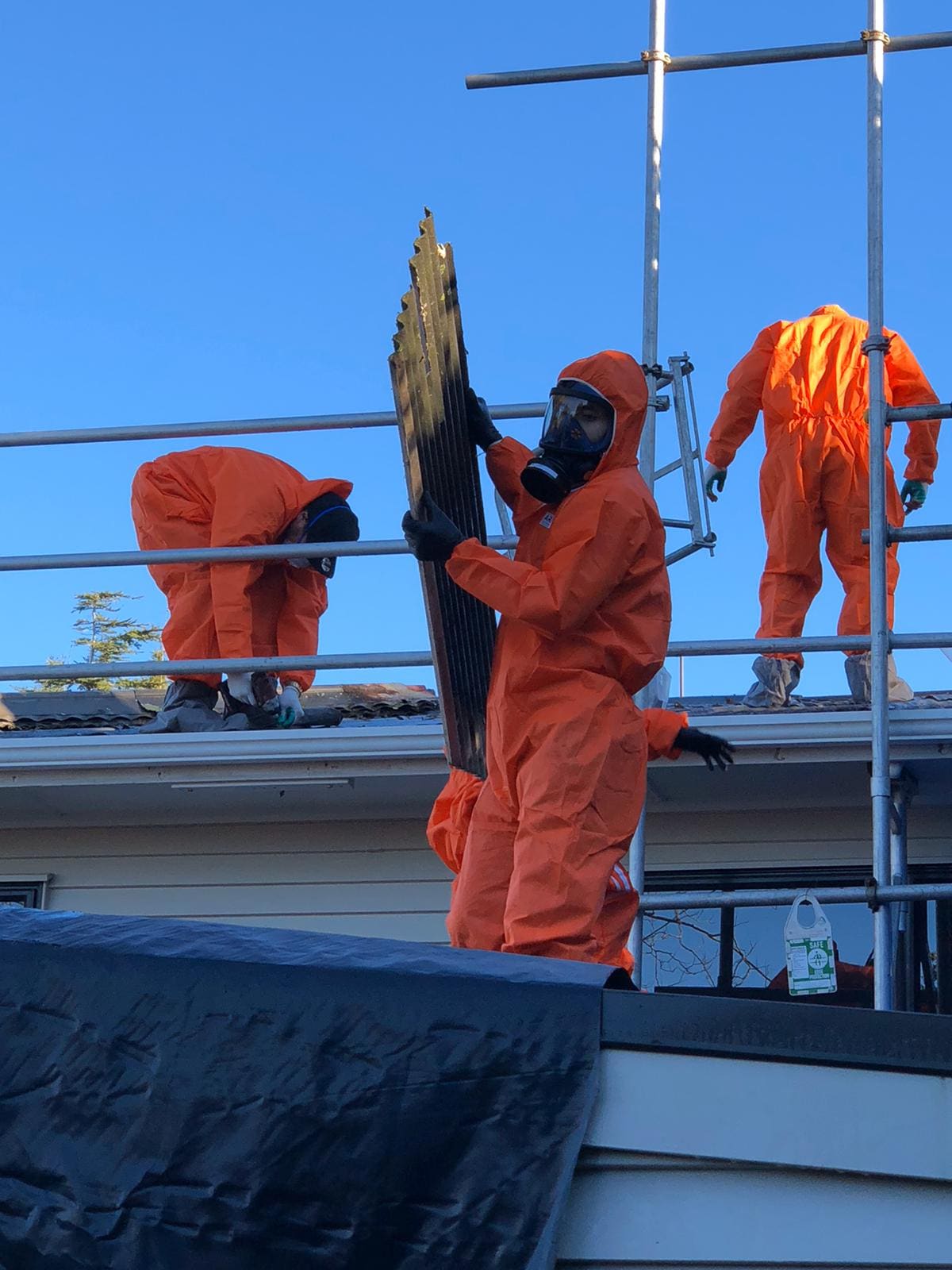
Often asbestos is only an immediate problem when it is meddled with in any way. If you’re planning to break down some parts of your property, you could trigger its release. You will need a professional to conduct safe removal to save everyone on or near the construction site from breathing in contaminated air.
4. Anyone In The Home Or Business Has Symptoms Of Respiratory Issues
If you or anyone on your property develops persistent difficulty breathing, fatigue or coughing problems, it may be a sign that there is already asbestos that’s contaminated your breathing air. Asbestos poisoning can cause respiratory conditions like Asbestosis or Mesothelioma. Visit a doctor promptly, and arrange for asbestos removal on your Auckland property.
Not sure who can help you with your asbestos cladding removal?Contact JP Franklin Asbestos for assistance today.