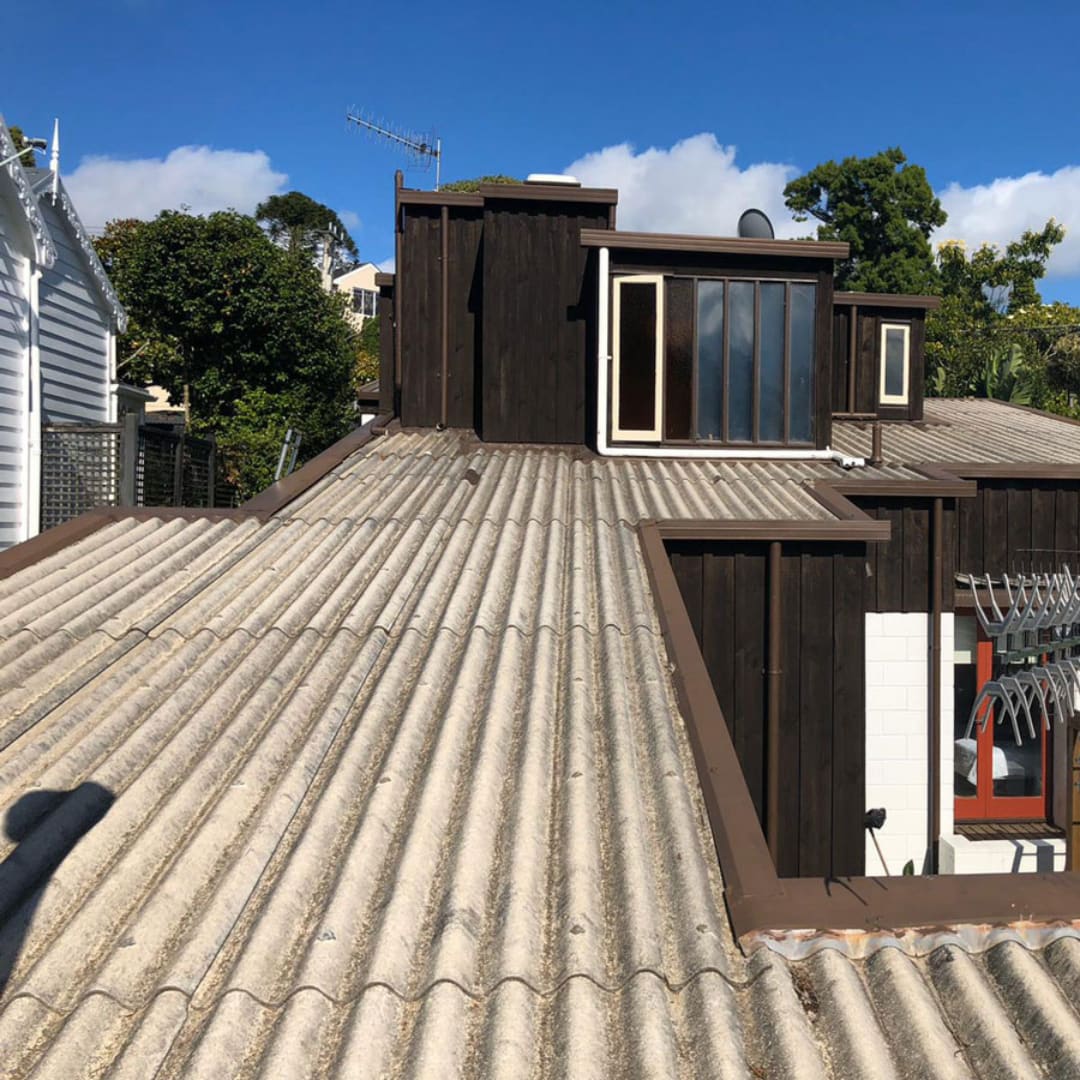
If you live in an older home, you’re lucky enough to have a place with a lot of history and a more distinct traditional look. However, owning an older property has its risks, one of which is the possibility of asbestos contamination which can be eliminated by asbestos roof removal. Asbestos is widely employed in the building sector, and roof tiles are one of the most likely areas to encounter it. Asbestos is a chemical infamous for the dangers it poses to human health, and for homeowners who discover it, asbestos roof replacement from their house becomes a top concern. Asbestos was widely imported and employed in different sectors of building in New Zealand, notably in the fields of residential and commercial roofing. Asbestos is a trace element found in certain rocks that was once widely utilized in construction, particularly for roofing. Asbestos, on the other hand, has been proven to be potentially hazardous to human respiratory health over time.
Is Asbestos a Neighbour or an Enemy?
Asbestos is made up of tiny fibres that are flexible and resistant to heat, corrosion, and electricity. It is made up of a collection of six natural silicate minerals. It is quite helpful due to its properties, particularly as an insulator. Chrysotile, Crocidolite, Anthophyllite Amosite, and Tremolite/Actinolite are some of the common names for asbestos, as are its colours (white, blue, green, and brown). Asbestos is very flexible, resilient, and adaptable, owing to its Greek word origin, which means “inextinguishable” or “inconsumable.” It’s also inexpensive, making it a better choice than more expensive materials. It is a “magic mineral” utilised in millions of items due to its tensile strength, low heat conductivity, and resistance to decay and chemical assaults. When asbestos is disturbed, small asbestos fibres are discharged into the air and can easily be inhaled. Asbestos exposure, even in small levels over a long period of time, can result in asbestosis, mesothelioma, and lung cancer.
What are the common types of Asbestos?
1. Chrysotile (White asbestos)
This is the most prevalent asbestos you’ll come across. Its fibres have a delicate texture and are frequently contaminated with tremolite.
2. Amosite (Brown asbestos)
This form of asbestos is thought to be among the most hazardous. It can greatly raise your chances of acquiring cancer if you are exposed to it. It’s largely mined in Africa, and because of its heat resistance and strength, it’s often used in cement sheets.
3. Crocidolite (Blue asbestos)
Even though this sort of asbestos is so thin, it’s one of the most dangerous. It’s easy for it to get stuck in your lungs and cause damage. Asbestos is a result of this.
How Dangerous is Asbestos-Containing Super Six Roofing Material?
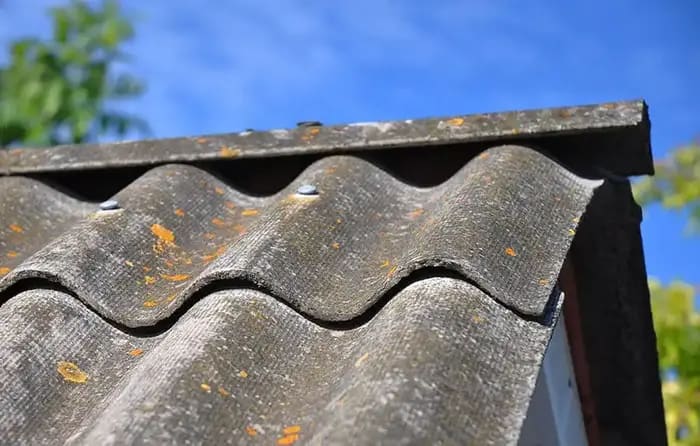
Super Six roofing is a standard for asbestos-cement sheet roofing that has been around for a long time. It was fire-resistant, easy to install, and moulded into corrugated roofing materials with ease. Corrugated metal roofing, on the other hand, was shallower and broader than Super Six roofing. When they’re placed side by side, it’s easy to identify which is metal and which is asbestos-cement. Metal mesh, sarking, or purlins put closely together were used to give much-needed support because Super Six roofing was brittle. If you’re buying or have just purchased a house or business with Super Six roofing, it’s critical to be aware of the dangers. Asbestos removal skills may be necessary in the future to assess the situation.
- Rainwater accumulation is a suitable choice for homes who garden or don’t have access to a mains water source. Super Six roofing can, however, pollute rainwater sources.
- As if the presence of asbestos in your rainwater wasn’t terrible enough, it may also be found in your guttering.
- Any homeowner with a Super Six roof should have the soil surrounding their property tested by an asbestos removal company.
- Asbestos fibres can fall into the ceiling area of your roof due to cracks in Super Six roofing or even wind movement.
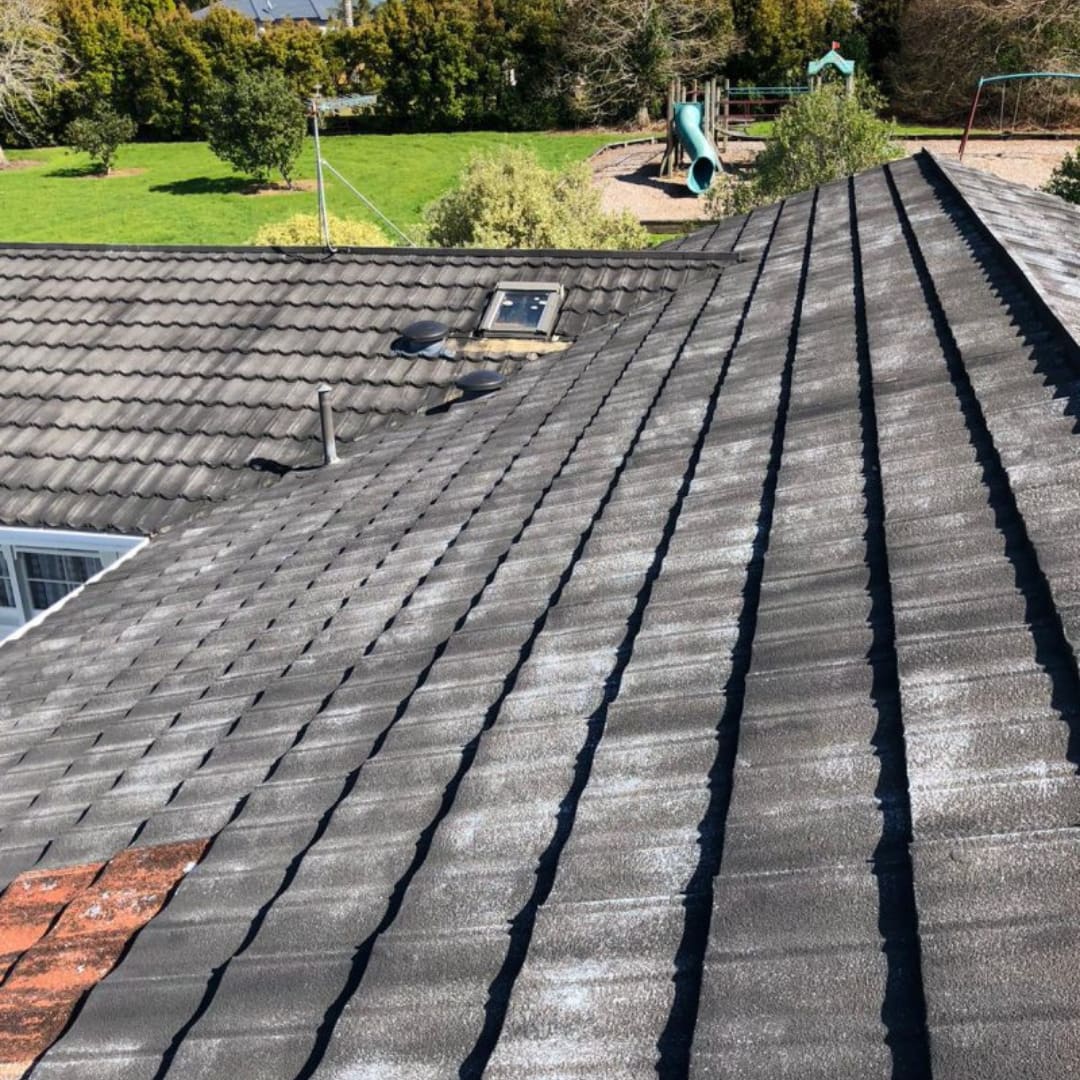
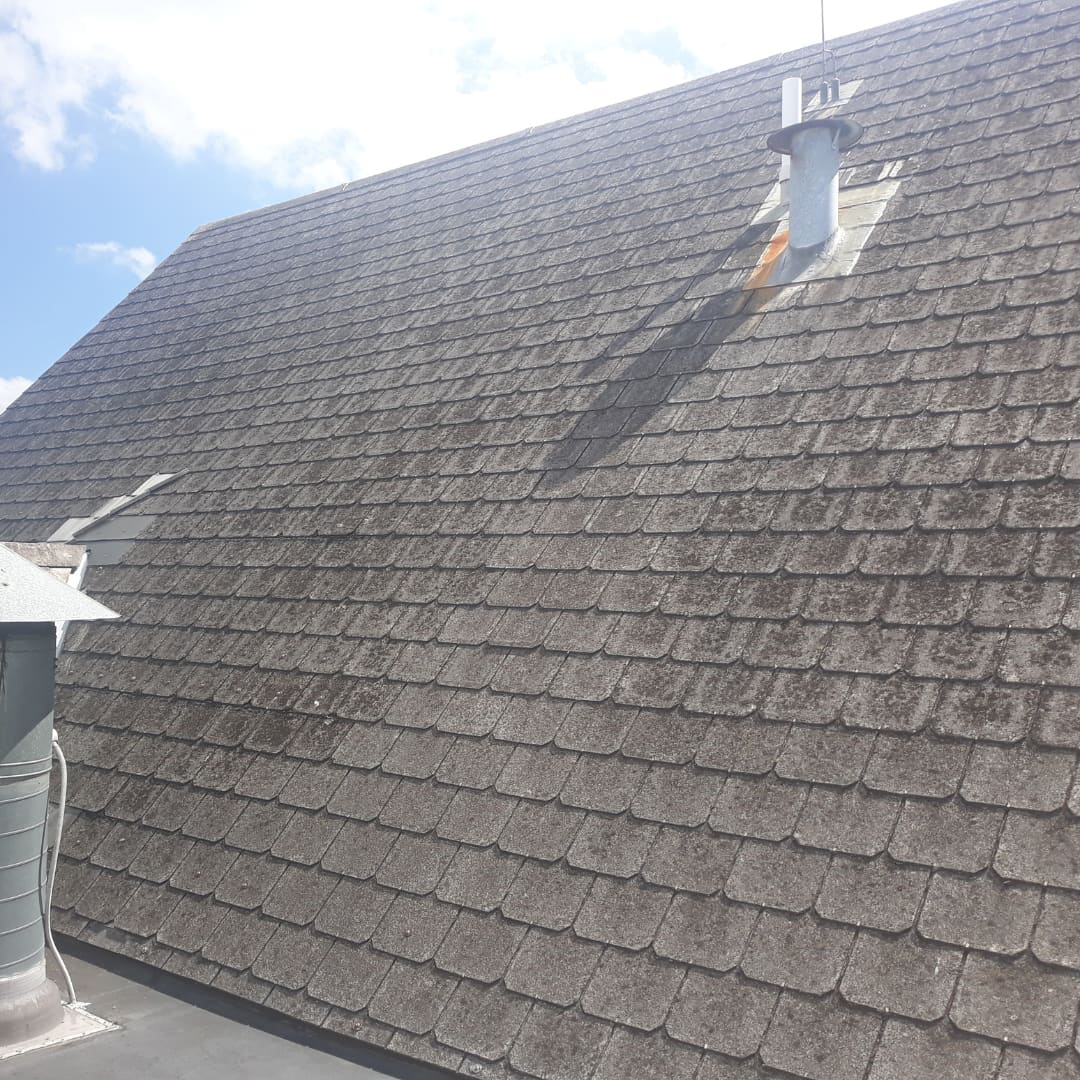
Asbestos (typically Chrysotile (White Asbestos)) is frequently seen in Decramastic Tile Roofs or Pressed Metal Tile Roofs from the 1960s through the 1980s. You may learn all you need to know about decramastic tile roofs in our Decramastic Tile Roof Guide, or contact us now if you have any concerns about asbestos testing or replacing your decramastic tile roof with a fresh new asbestos-free roof.
When in uncertainty, consult a professional.
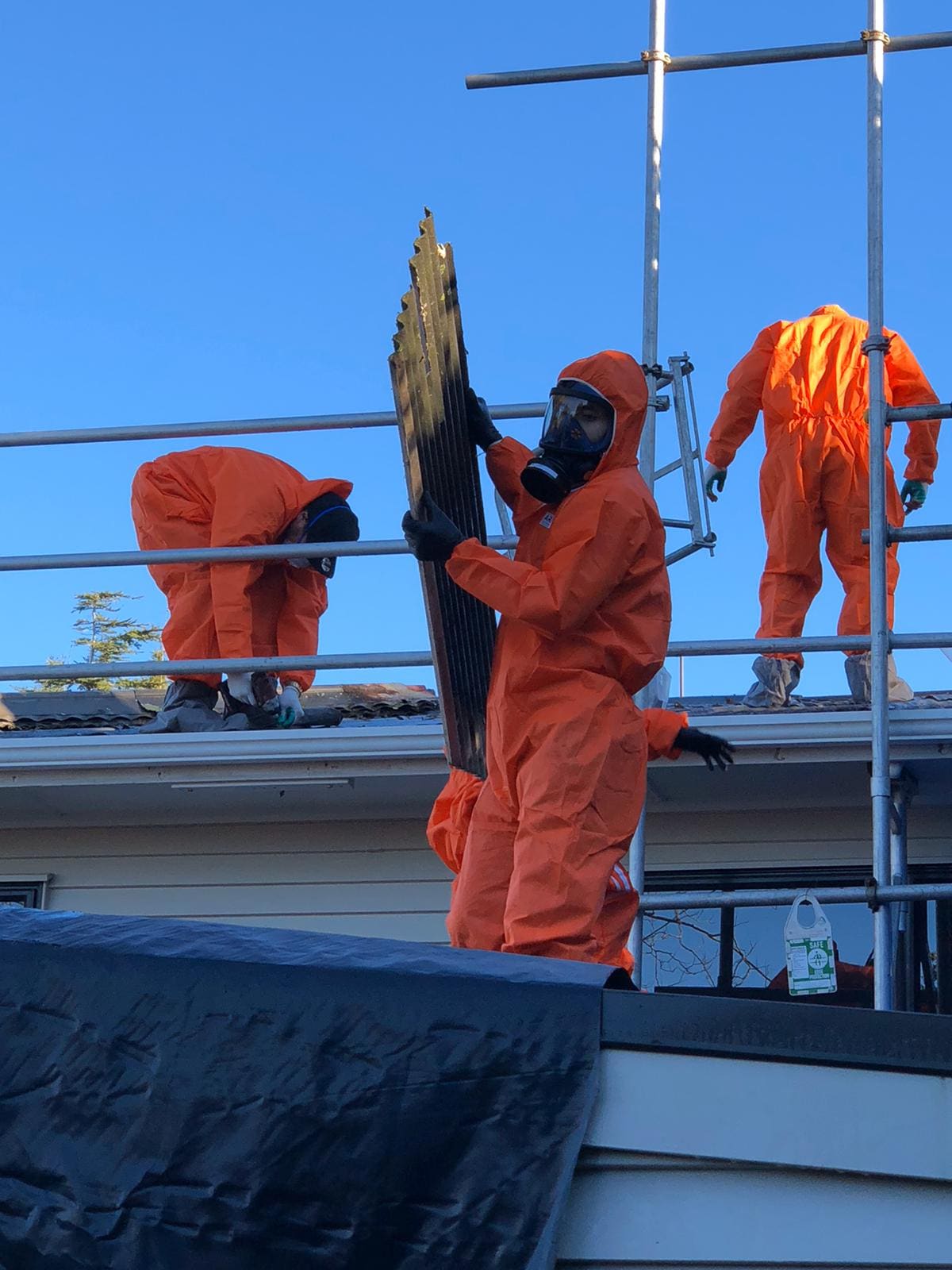
If you have any reason to believe that asbestos roof removal is beyond your skills or that you are in any way uncomfortable, don’t hesitate to seek expert help. This is a challenging process that should be handled by experts. Their knowledge will enable them to remove your asbestos roof in a timely and effective way, reducing the danger of exposure to you and people nearby. If you live in Auckland and have asbestos in your roof or believe you have, call JP Franklin Roofing at 022 196 9021 right away. Our skilled staff is trusted to provide a dependable and safe asbestos roof replacement and other services for your home or business property. Our authorized expert will do a roof examination and determine an appropriate solution for your roof using safe working techniques.